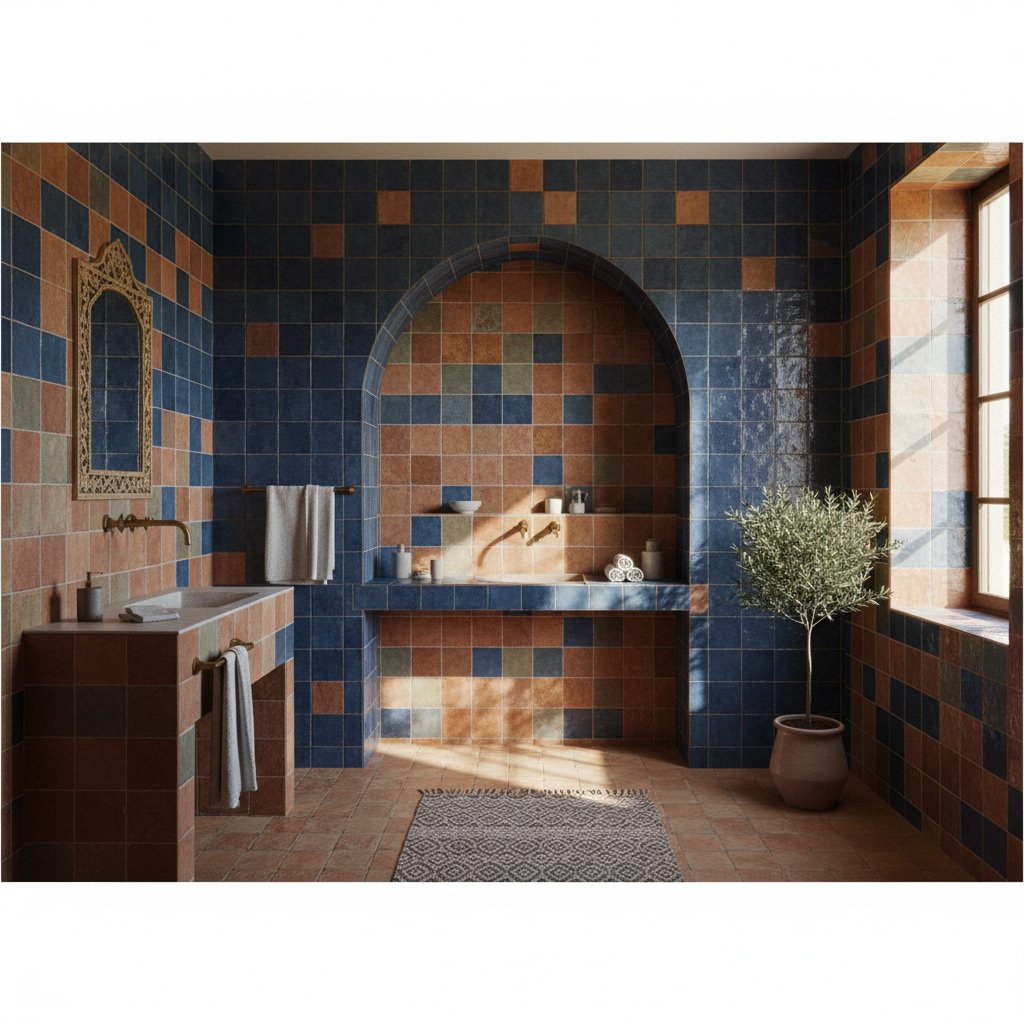
If you’ve ever watched water sneak under a tile and disappear into the floor, you know the nightmare of a leaky shower. Most homeowners treat the liner like an after‑thought, and then wonder why their bathroom feels like a swamp.
Smart Fountain Hills residents get it: a quality shower liner is the invisible shield that keeps moisture where it belongs. It’s the difference between a pristine remodel and a costly repair bill that shows up months later.
Too many DIYers skip the proper liner, thinking a cheap sheet will do the job. The truth is, the right liner not only blocks water, it protects your subfloor, prevents mold, and preserves the value of your home.
Now that you’ve seen why the right liner is the silent hero of any remodel, let’s dig into the details that separate a dry bathroom from a disaster zone.

Understanding the Different Types of Shower Liners
When you step into a newly tiled shower, the liner is the silent guardian that keeps water from invading your subfloor. Not all liners are created equal, and the choice you make can mean the difference between a dry bathroom and a costly water‑damage nightmare.
PVC (Vinyl) Liners
These are the most common, budget‑friendly option. They’re thin, flexible, and easy to cut, making DIY installs feel doable.
- Pros: Low cost, readily available, resistant to most household chemicals.
- Cons: Can become brittle in Fountain Hills’ hot, dry summers; not the best barrier against mold.
CPE (Chlorinated Polyethylene) Liners
CPE steps up the game with extra durability. It holds up better under temperature swings, which is a big win for our desert climate.
- Strength: Tougher than PVC, less likely to tear during installation.
- Waterproofing: Superior resistance to punctures and chemicals.
Hybrid CPE‑PE (Polyethylene) Liners
Hybrid liners blend the best of both worlds—CPE’s strength with PE’s flexibility. They’re the premium pick for homeowners who plan to stay put for a while.
- Excellent for high‑traffic showers and steam rooms.
- Resists UV degradation, so the sun‑baked heat of Fountain Hills won’t make them crack.
Selecting the Ideal Liner Material for Fountain Hills’ Climate
Why Climate Matters
Fountain Hills basks in scorching summer heat and endures sudden monsoon downpours, so your liner must handle both expansion and relentless moisture. A material that stiffens in the heat or cracks when the desert cools at night will let water slip right through.
Top Materials for Desert‑Side Showers
Here’s the quick‑hit rundown of what actually survives the Arizona swing:
- PVC (Polyvinyl Chloride) – cheap, easy to cut, but can become brittle under UV exposure.
- CPE (Chlorinated Polyethylene) – flexible, resists temperature shifts, and holds up well against mold.
- Rubber‑based liners – the heavyweight champion of durability; they stay supple even when the sun hits 110°F.
- Hybrid PVC/CPE blends – give you the best of both worlds: cost‑effective and climate‑tolerant.
Making the Choice
Match the liner to your remodel budget and the shower’s usage pattern. If you’re installing a spa‑like rain shower, lean toward rubber‑based or a high‑grade CPE blend – they won’t crack under constant water pressure. For a guest bathroom where traffic is light, a quality PVC sheet with UV‑inhibitor coating can save you a few bucks without sacrificing protection.
Don’t forget the hidden cost of a bad liner: water damage, mold remediation, and a drop in home value. Investing a little more now in a liner that thrives in Fountain Hills’ climate pays off in years of dry, worry‑free showers.
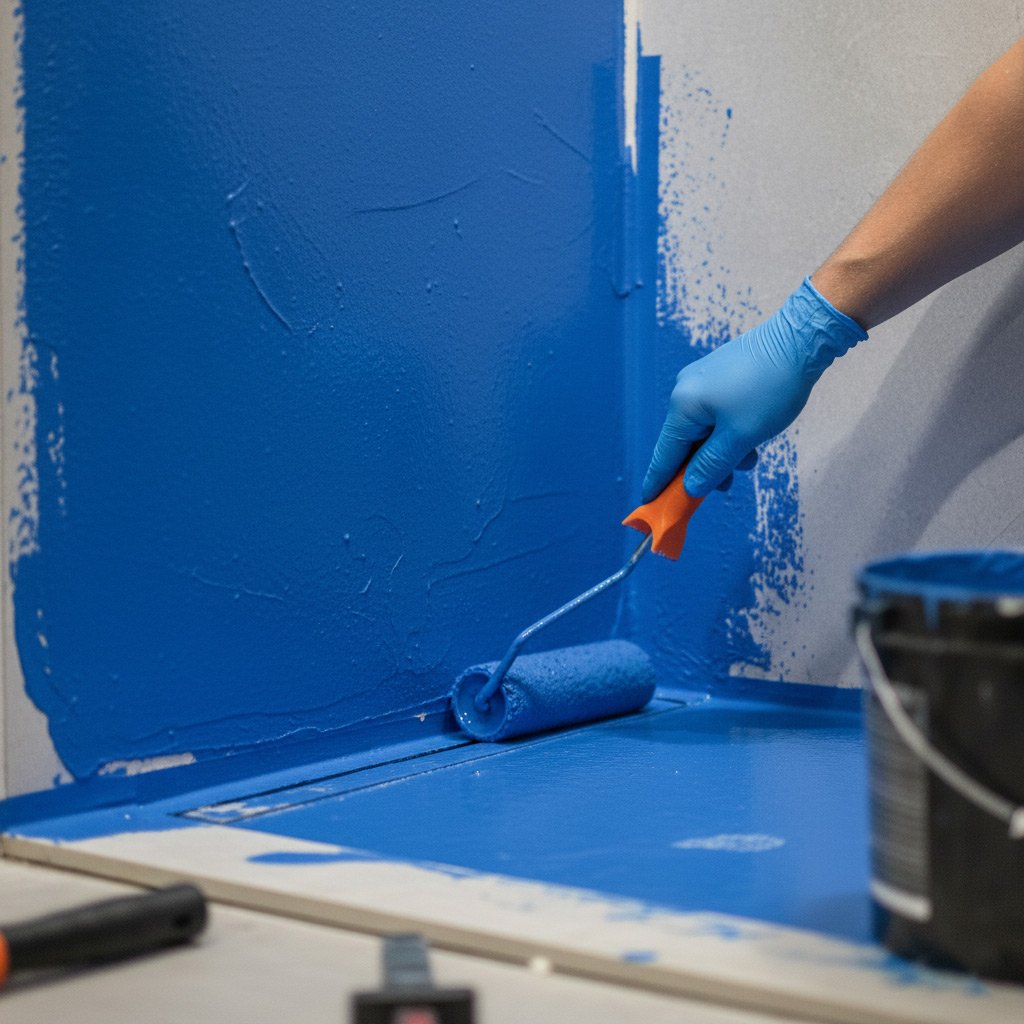
Step‑by‑Step Installation Best Practices
Prep the Shower Base
Start with a clean, dry floor. Remove old mortar, sweep away dust, and let the surface air‑dry for at least 24 hours. Any moisture left behind will ruin the liner’s seal.
- Check for levelness; a high spot can puncture the liner.
- Apply a thin coat of waterproofing membrane if the subfloor is porous.
- Mark the curb and drain location with a pencil.
Lay the Liner Like a Pro
Unroll the liner with the smooth side up. Cut it a few inches larger than the shower footprint; you’ll trim excess later. Don’t rush this step – a snug fit is the difference between a dry bathroom and a soggy nightmare.
- Fit the liner into the curb, then pull it up the walls, leaving a ¼‑inch gap at the top.
- Secure the bottom edge with a thin bead of silicone, pressing firmly to eliminate bubbles.
- Seal the corners with a continuous bead of silicone, smoothing with a wet finger.
Finally, let the silicone cure for 24 hours before you set tile. Resist the urge to walk on it; the adhesive needs time to lock. When you step back, you’ll see a flawless, water‑tight barrier ready for the next phase of your remodel.
Common Mistakes to Avoid During Installation
Skipping the Vapor Barrier
Many DIYers think the liner alone is enough, but without a dedicated vapor barrier moisture can still seep into the subfloor. Result? Hidden mold that shows up months later. Lay a thin polyethylene sheet first, then overlap the liner by at least 2 inches.
Misaligning the Liner
Cutting the liner too short or leaving gaps at the corners is a recipe for leaks. Measure twice, cut once—and always leave a ¼‑inch overhang on every wall. Secure the excess with a waterproof tape that’s rated for tile installations.
Choosing the Wrong Adhesive
Not all adhesives are created equal. A thin‑set meant for tile won’t bond a PVC liner properly. Use a mastic specifically labeled for shower liners, and give it the full 24‑hour cure time before stepping in.
- Don’t rush the primer; it’s the glue that holds the whole system together.
- Avoid using regular construction glue—water will break it down.
- Check the manufacturer’s temperature range; Fountain Hills winters can be chilly.
Maintenance Strategies to Prolong Liner Longevity
Even the toughest liner will quit if you treat it like a forgotten rug. A quick visual scan after each shower—look for water pooling, discoloration, or loose seams—keeps problems from snowballing. Spot a tiny crack? Patch it now, not months later when mold starts throwing a party.
Quick Clean‑Up Routine
Keeping the liner dry and clean is cheaper than a full‑blown repair. Follow this three‑step habit:
- Wipe down the walls with a squeegee or microfiber cloth right after you step out.
- Use a pH‑balanced bathroom cleaner once a week; harsh acids will eat the liner’s protective layer.
- Run a fan or open a window for at least 15 minutes to push moisture out of the shower cavity.
Seasonal Checks for Fountain Hills Climate
The desert swing from scorching summer to chilly winter can stress a liner. Schedule these inspections twice a year:
- Spring: Look for any shrinkage or lifting where the liner meets the curb; the heat can cause expansion.
- Fall: Verify that the sealant around the drain is still pliable; cold snaps can make it brittle.
When you catch a problem early, a simple reseal or a fresh strip of liner saves you from a costly remodel down the road.
Case Study: Revitalizing a Leaky Shower in a Fountain Hills Home
The Problem
When the Martinez family noticed a steady drip seeping through their tile grout, they assumed a simple caulk job would fix it. Within weeks, the subfloor began to swell, and a faint musty smell hinted at mold forming behind the walls. Ignoring the liner turned a minor annoyance into a costly nightmare.
The Solution
We stripped the old tile, inspected the damaged substrate, and installed a high‑density PVC shower liner designed for the desert’s temperature swings. The installation followed a precise sequence:
- Lay a vapor‑barrier membrane to guard against ground moisture.
- Fit the PVC liner with a ¼‑inch overlap at seams, sealing each joint with a waterproof tape.
- Secure the liner to the studs using corrosion‑resistant staples, then test for leaks before re‑tiling.
Every step was double‑checked, because a single missed seam can undo the whole job.
The Results
After the new tile went up, the Martinez shower stayed dry—no water under the grout, no musty odors. Six months later, the subfloor showed no signs of rot, and the family saved over $4,000 in potential repairs. The takeaway? A proper liner is the cheapest insurance policy you can buy for a remodel in Fountain Hills.
Final Words
When you treat the shower liner like a core component—not an after‑thought—you lock in the value of every dollar you spend on a remodel. *Smart* homeowners in Fountain Hills know that a solid liner pays for itself the moment the first drop hits the tile.
Quick Action Checklist
- Inspect the liner after the first rainstorm; look for any pooling.
- Seal all seams with a high‑quality, mold‑resistant tape before you grout.
- Schedule a yearly check‑up with a pro who specializes in Shower Liners.
Got a leaky shower that’s already caused damage? Don’t wait for mold to set in. Call a local expert, get a proper liner installed, and enjoy a dry bathroom for years to come.
People Also Ask
What type of shower liner works best in Fountain Hills’ desert climate?
A high‑density PVC or CPE liner resists the extreme temperature swings and low humidity common in Fountain Hills. These materials also provide superior waterproofing and UV resistance, reducing the risk of cracking over time.How often should I replace my shower liner in a Fountain Hills home?
Most experts recommend replacing a shower liner every 8‑10 years, but harsh desert conditions can shorten that lifespan. Inspect for mold, tears, or water stains annually and act promptly if any issues appear.Can I install a shower liner myself, or should I hire a professional?
DIY installation is possible if you have basic carpentry skills and follow proper sealing techniques. However, a professional ensures a flawless fit, especially around irregular tile layouts and curbs, which can prevent costly leaks.What maintenance steps keep a shower liner in top condition?
Regularly clean the liner with a non‑abrasive bathroom cleaner and avoid harsh chemicals that can degrade the material. After each use, squeegee excess water and allow the shower to dry completely to prevent mold growth.Why do some shower liners develop mold faster in Fountain Hills?
The combination of high daytime heat and cooler evenings creates condensation that can linger on the liner surface. Poor ventilation amplifies this effect, so installing an exhaust fan or opening a window after showers helps reduce mold formation.
Fountain Hills Bathroom Remodel specializes in custom bathroom renovations, bringing over a decade of craftsmanship to homes throughout Fountain Hills, Arizona. Their team combines local knowledge with meticulous attention to detail to transform spaces into functional, stylish retreats. Committed to personalized service, they guide each project from design through completion, ensuring results that reflect the unique character of the community.
Need Bathroom Remodel?
We deliver prompt, professional home repair and maintenance services throughout Fountain Hills and surrounding communities (85268, 85255, 85259, 85286, 85287), ensuring problems are resolved quickly and reliably. Our focus is on getting your home back to normal fast, without unnecessary delays.
Get Bathroom Quote