Imagine stepping into a bathroom that looks brand‑new every day—no grout lines, no water spots, just pure shine that laughs at the desert sun.
Fountain Hills homeowners know the drill: scorching summers, hard water, and a budget that refuses to balloon. They need a wall that can take a beating and still look sleek.
Enter acrylic bath walls: lightweight, virtually crack‑proof, and a fraction of the price of tile. Clean‑up is a breeze, and the glossy finish stays vibrant without the endless sealing rituals.
Curious how acrylic outshines tile when the heat turns up and the water runs hard? Keep reading and you’ll see why the locals are making the switch.
The Desert Climate Challenge: Heat and Hard Water Effects on Bathroom Surfaces
Heat‑Induced Stress
Fountain Hills summers push temperatures past 110°F, and that relentless heat forces bathroom walls to expand and contract daily. Tile, especially porcelain, can develop micro‑cracks when the substrate shifts, leading to unsightly hairline fractures that let water seep behind the surface.
When the sun’s glare hits a glossy tile, the surface temperature spikes, causing the grout to dry out and shrink. The result? Loose joints that need re‑grouting every few years, a costly chore for any homeowner.
Hard Water Havoc
Arizona’s groundwater is notoriously hard, packed with calcium and magnesium that love to cling to any smooth surface. On tile, these minerals settle into grout lines, forming stubborn white stains that look like a bad haircut.
- Staining: mineral buildup turns grout a dull gray, diminishing the bathroom’s sparkle.
- Etching: over time, the acids in hard water can wear down the glaze, leaving a matte finish.
- Clogged drains: mineral particles travel down the pipe, increasing the risk of blockages.
Because tile relies on porous grout to stay sealed, homeowners end up sealing, resealing, and scrubbing—an endless cycle that eats into both time and budget.
Acrylic vs. Tile: Material Science and Durability in Fountain Hills Conditions
What Acrylic Is Made Of
Pure acrylic is a polymer blend that stays flexible even when the desert sun hits 110°F. That flexibility means it won’t crack when the house expands in the heat.
Key traits that matter to Fountain Hills homeowners:
- Non‑porous surface – water can’t seep in to cause rot.
- UV‑stabilized coating – the glossy finish won’t fade under relentless sunlight.
- Lightweight panels – easier on framing and less stress on studs.
Tile’s Weak Points
Tile looks great, but it’s a brittle ceramic that expands and contracts at a different rate than the wall studs. When the temperature swings, grout cracks and water finds its way behind the tiles.
Hard water in Fountain Hills adds another layer of trouble:
- Mineral deposits build up on grout lines, turning them yellow and rough.
- Sealing grout is a recurring expense – every 1‑2 years you’re back to the ladder.
- Heavy slabs increase labor costs and put extra load on the structure.
Bottom Line for Desert Living
When you stack heat resistance, water repellency, and weight against each other, acrylic walks away with a clear lead. It handles the desert’s push‑pull without the constant upkeep tile demands.
In short, choose the material that bends with the climate, not the one that fights it.
Cost Comparison: Upfront Investment and Long‑Term Savings
Initial Price Tag
When you walk into a showroom, a square foot of ceramic tile can cost anywhere from $8 to $15, plus grout, backer board, and labor that often tops $30 per square foot. Acrylic panels, on the other hand, sit comfortably between $5 and $9 per square foot, and the installation crew typically finishes the job in a single day.
That means a 100‑sq‑ft bathroom wall might set you back:
- Tile route: $3,000 – $4,500 total
- Acrylic route: $1,200 – $1,800 total
Lifetime Value
Tile looks great, but it’s a maintenance magnet. Every few years you’ll need to reseal grout, replace cracked pieces, and fight mineral stains that hard water loves to leave behind. Acrylic is non‑porous, so it resists those stains and never needs sealing.
Over a 15‑year span the savings stack up:
- Reduced cleaning supplies – up to 40% less chemical use
- No grout repair – $500‑$800 saved
- Longer lifespan – acrylic panels often outlast tile by a decade
Bottom Line on Money
Think of the upfront hit as a down payment on peace of mind. You spend less now, and you spend even less later when the desert heat and hard water start doing their thing. In Fountain Hills, that extra cash can go toward a desert‑ready patio or a solar upgrade – both of which add real value to your home.
Installation Ease and Timeline: Why Acrylic Wins for Busy Homeowners
Speedy Fit‑Out
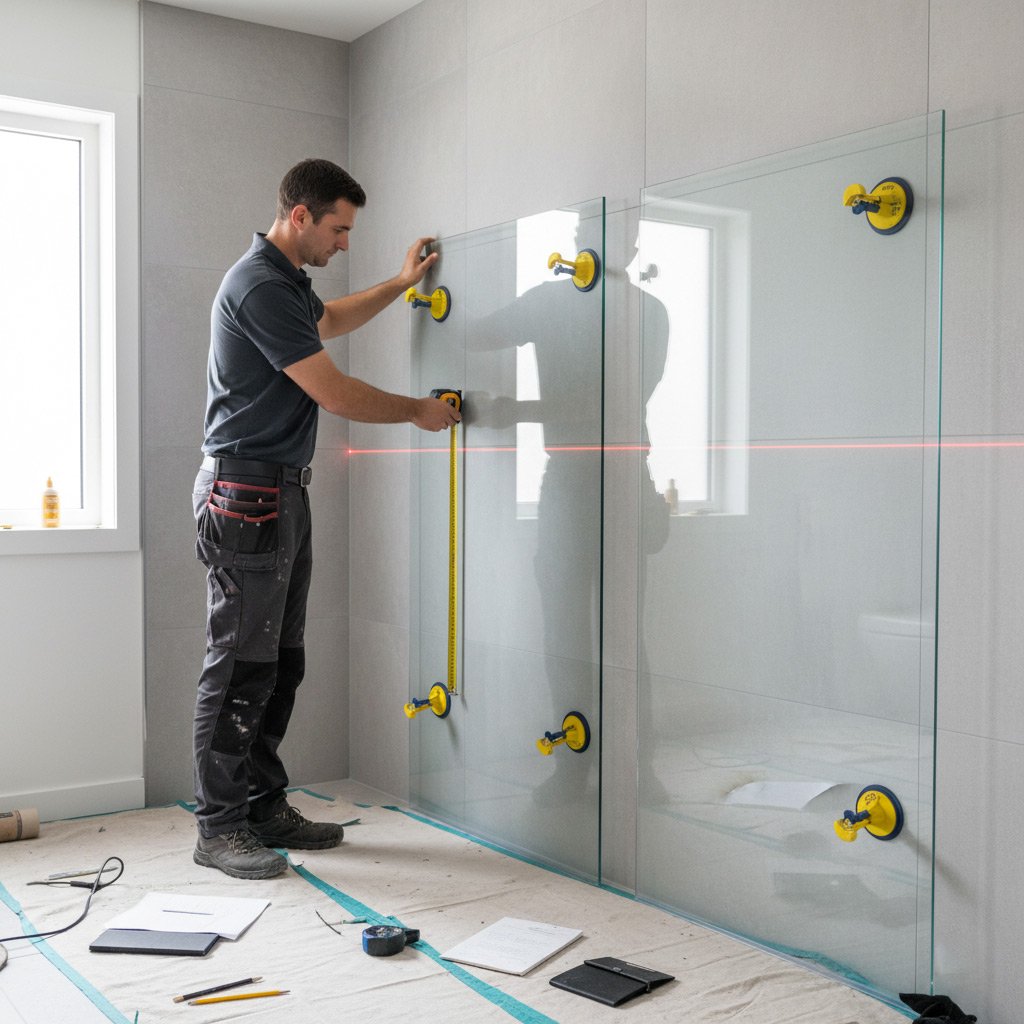
Unlike tile, acrylic panels arrive ready to mount. One crew can finish the walls in a single day, no need for a week‑long curing period. The sheets snap together like a puzzle, so you’re not waiting on mortar to set.
- Prep the studs – 30 minutes
- Apply adhesive and press panels – 2‑3 hours
- Seal seams and trim – 1 hour
Timeline That Fits Your Calendar
Tile work can stretch into a 5‑day marathon: demolition, back‑eroding, waterproofing, grout, and finally sealing. Acrylic slashes that to 24‑48 hours total, meaning you can keep the rest of the house livable.
Minimal Disruption for the Whole Family
Because acrylic is lightweight, there’s no heavy lifting or noisy tile‑cutting. The crew packs up and leaves before dinner, and you’re back to brushing teeth on a brand‑new wall. No mess, no mess‑up, no stress.
Maintenance & Cleaning: Keeping Acrylic Walls Spotless with Minimal Effort
Everyday Wipe‑Down
Grab a soft microfiber cloth, spray a mild dish‑soap solution, and swipe. It takes under a minute and the glossy finish stays bright.
For stubborn soap scum, a quick dab of vinegar on the cloth does the trick—no scrubbing required.
- Microfiber cloth
- Mild dish‑soap diluted in water
- White vinegar (optional)
Monthly Deep Clean
Once a month, mix equal parts water and rubbing alcohol. Apply with a spray bottle, let it sit 30 seconds, then rinse.
This combo dissolves mineral buildup that hard water loves to leave behind, keeping the surface smooth.
- Water + rubbing alcohol (1:1)
- Non‑abrasive sponge
- Soft‑water rinse
Hard‑Water Defense
Install a point‑of‑use water softener for the shower; it cuts the calcium that creates spots.
After each shower, a quick spray of plain water and a towel swipe prevents any film from setting.
- Water softener
- Spray bottle with plain water
- Quick‑dry towel
Case Study: Transforming a Fountain Hills Home with Acrylic Bath Walls
The Situation
When the Martinez family bought their 1970s ranch in Fountain Hills, the bathroom looked like a relic—cracked tile, stubborn hard‑water stains, and a ceiling that seemed to sweat in the summer heat. They wanted a makeover that could survive the desert’s relentless sun without draining their wallet.
The Acrylic Solution
We installed a full‑height acrylic wall system in just three days. The panels snapped together like puzzle pieces, eliminating grout lines and the need for a mortar crew. Because acrylic doesn’t absorb water, the hard‑water spots that once haunted the Martinez’s mirror vanished overnight.
Results That Speak for Themselves
Six months later the family reports zero cracks, no fading, and a cleaning routine that takes under five minutes. The glossy finish still reflects the morning light like a brand‑new showroom.
- Installation time: 3 days vs. 7‑10 days for tile.
- Cost savings: $4,200 less than a comparable tile job.
- Maintenance: One quick wipe‑down per week keeps it spotless.
Final Words
When the desert sun beats down on Fountain Hills, you need a bathroom that fights back, not one that surrenders. Acrylic Bath Walls give you that edge—lightweight, crack‑resistant, and ready for the next round of hard‑water wear. Ready to see the difference? Check out our full Acrylic Bath Walls service page.
Take Action Today
- Schedule a free on‑site assessment.
- Get a transparent quote that breaks down material and labor.
- Pick a finish that matches your style—glossy, matte, or custom color.
Once the walls are up, you’ll notice the change instantly. No grout lines to scrub, no sealant to reapply. Just a sleek surface that stays bright, even after the hottest July days.
People Also Ask
What makes acrylic bath walls better suited for Fountain Hills’ desert climate?
Acrylic resists expansion and contraction caused by extreme heat, while tile can crack under the same conditions. It also repels mineral deposits from the hard water common in the area, keeping surfaces smooth and intact.How does the durability of acrylic compare to tile in a high‑heat environment?
Acrylic is flexible enough to absorb temperature fluctuations without chipping, whereas tile grout can erode and tiles may loosen. This flexibility translates to a longer lifespan with fewer repairs.Is acrylic more cost‑effective than tile over the long term?
The upfront cost of acrylic is typically lower, and it eliminates expensive grout sealing and tile replacement expenses. Over time, homeowners save on maintenance, water damage repairs, and energy costs due to acrylic’s insulating properties.Why is acrylic installation faster for busy Fountain Hills homeowners?
Acrylic panels are pre‑fabricated and can be mounted directly onto walls, cutting installation time to a few days. Tile requires extensive surface prep, cutting, and grouting, often extending projects to weeks.What maintenance is required to keep acrylic bath walls looking new?
A simple wipe‑down with a mild soap solution removes soap scum and mineral spots. Unlike tile, acrylic doesn’t need grout cleaning or resealing, making routine upkeep quick and inexpensive.
Fountain Hills Bathroom Remodel brings over a decade of specialized bathroom renovation expertise to homeowners in Fountain Hills, Arizona. Their team combines skilled craftsmanship with a deep understanding of local design trends to deliver functional, stylish spaces. Committed to personalized service, they guide each project from concept to completion with a focus on quality and community.
Need Bathroom Remodel?
We deliver prompt, professional home repair and maintenance services throughout Fountain Hills and surrounding communities (85268, 85255, 85259, 85286, 85287), ensuring problems are resolved quickly and reliably. Our focus is on getting your home back to normal fast, without unnecessary delays.
Get Bathroom Quote